Repositioning an unclear offering
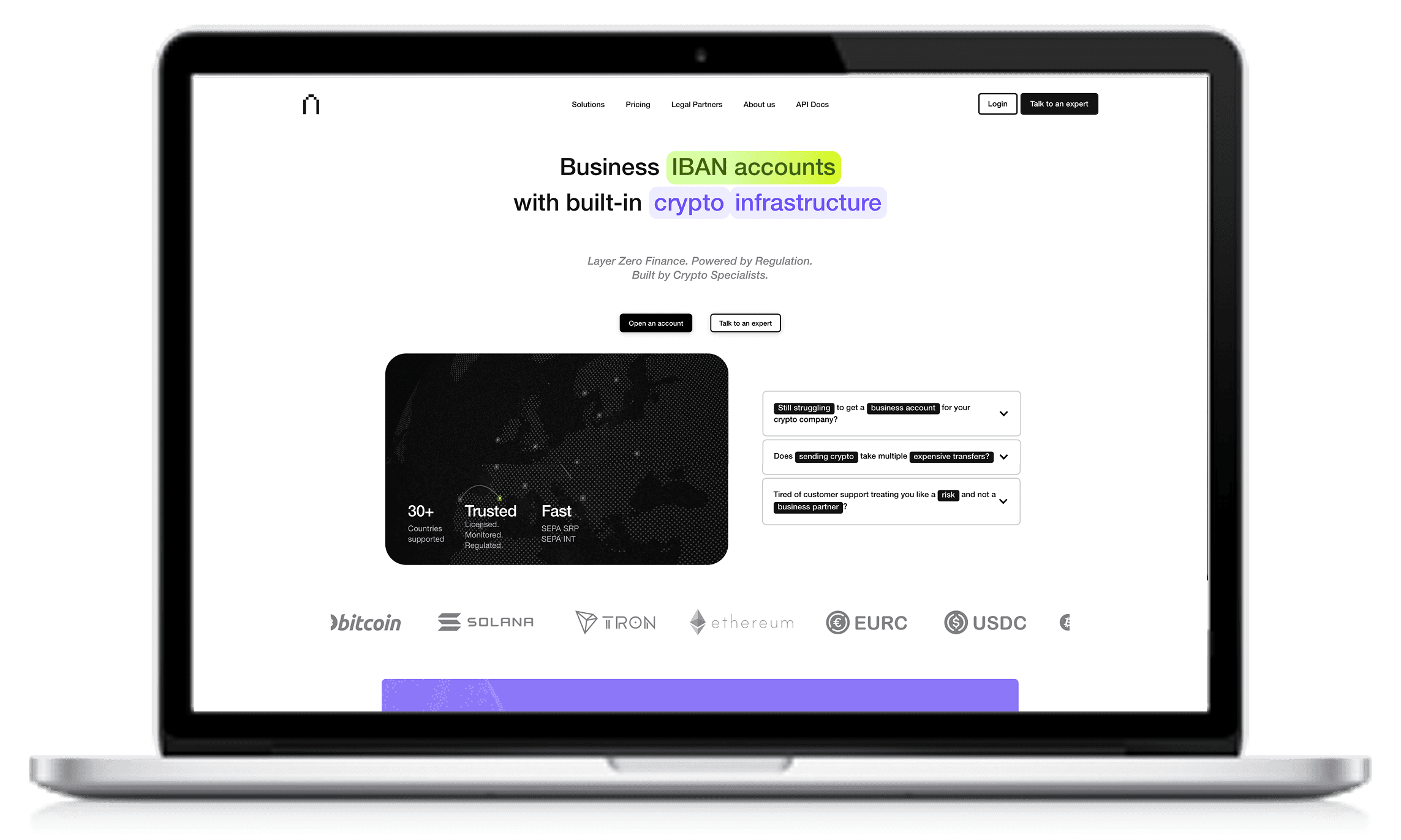
Januar had pivoted several times, and the website had never caught up. It still listed products that didn't exist, and the copy was full of claims that didn't explain anything. So people were booking sales calls to ask what the company actually did. I came in on a one-month internship to edit the site. I made the case for restructuring it instead, and ended up with a contract to lead the whole rebuild.
It wasn't a design problem
People couldn't answer three things fast enough. What does Januar do. Is this relevant to me. Why should I trust them. In crypto-fintech, where everything is compliance-heavy and nobody starts out trusting you, someone who can't answer those quickly just leaves.
So before I touched a layout, I had to settle what the company was actually offering now and who it was for. I mapped the audiences, restructured the product offering into something that made sense from the outside, and worked through the growth priorities with the CEO until there was a position clear enough to write from.
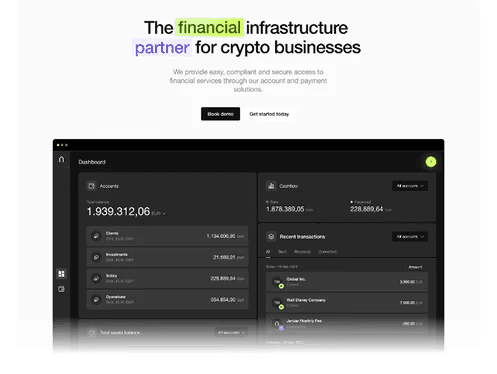
Before
The hero relied on abstract language and heavy imagery, delaying users’ understanding of the actual product and audience.
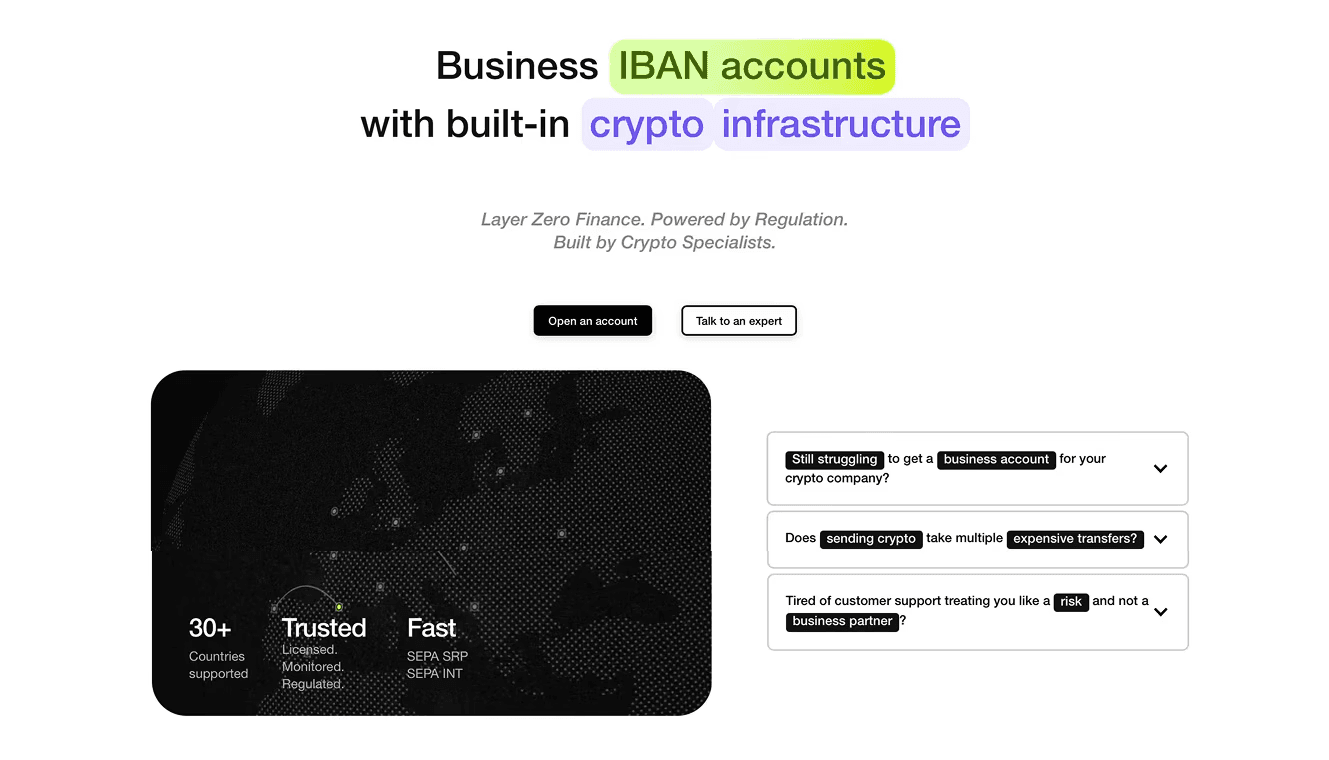
After
The homepage was redesigned to instantly convey what Januar offers, who it serves, and why they can be trusted within the first screen.
It wasn't a design problem
When I joined Januar, the company had pivoted multiple times & as a result of that, the website didn’t reflect what the company offered anymore.
It listed outdated products, navigation was unclear, messaging was abstract and full of claims, but low on explanation.
Potential customers regularly booked sales calls just to understand what Januar did.
In addition, there were serious resource constraints. The marketing lead had just been fired and as a result of that, no files were accessible.
There were no personas, no competitor landscape, no established brand system, and no paid design tools or budget for a proper design process.
I worked directly with the CEO. He had strong opinions and urgency, but no UX or marketing background. The expectation was to “fix the website” within a month.
It quickly became clear this wasn’t a visual issue, but a structural one.
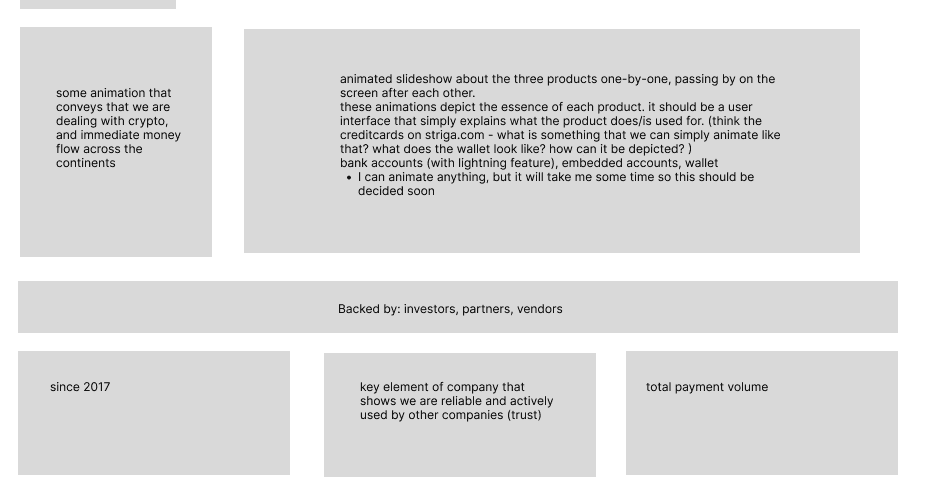
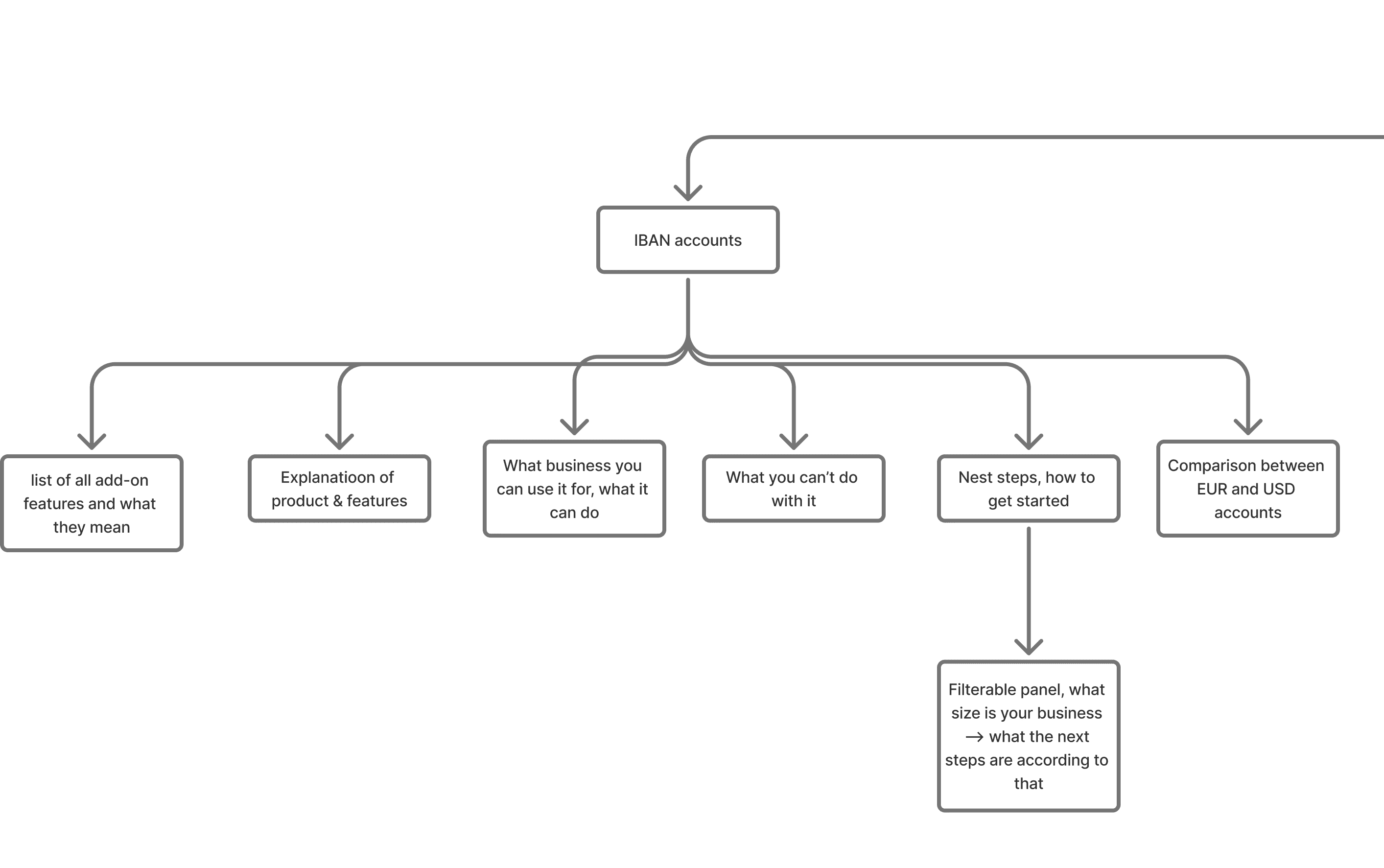
Design
trade-offs
While I explored illustration and motion to elevate brand expression, I made a conscious decision to prioritise structural clarity given the timeline and resources.
The focus was on hierarchy, trust, and task-oriented product flows — reducing friction and accelerating understanding.
The restrained visual language is intentional. Every decision was measured against two questions:
Does this improve clarity?
Does this support confident decision-making?
Expanding validation before launch
Most development feedback initially came from one stakeholder. Before launch, I facilitated two cross-functional workshops (~15 people across product, tech, onboarding, and finance) to broaden perspective.
The aim was to clarify what truly sets the company apart, test audience relevance, and reduce leadership bias. The sessions surfaced overlooked strengths, exposed messaging gaps, and strengthened internal alignment.
Given time and budget constraints, this served as a pragmatic alternative to formal user testing while still bringing diverse input into the process.
Outcome
Within two weeks of launch:
Conversion to booked sales calls and email inquiries increased by 13%.
Global website traffic increased by 20%.
Sales reported that customers were less confused and better informed before entering conversations.
The CEO described the result as “exactly what we needed.”
What does this project demonstrate?
This project reflects my ability to take strong ownership of a design process, operate without predefined structure, translate business goals into clear user experiences, and manage strong founder stakeholders while maintaining strategic direction.
It demonstrates independent decision-making under uncertainty — and delivering measurable impact without a support team.
Restructuring Product Pages for Clarity
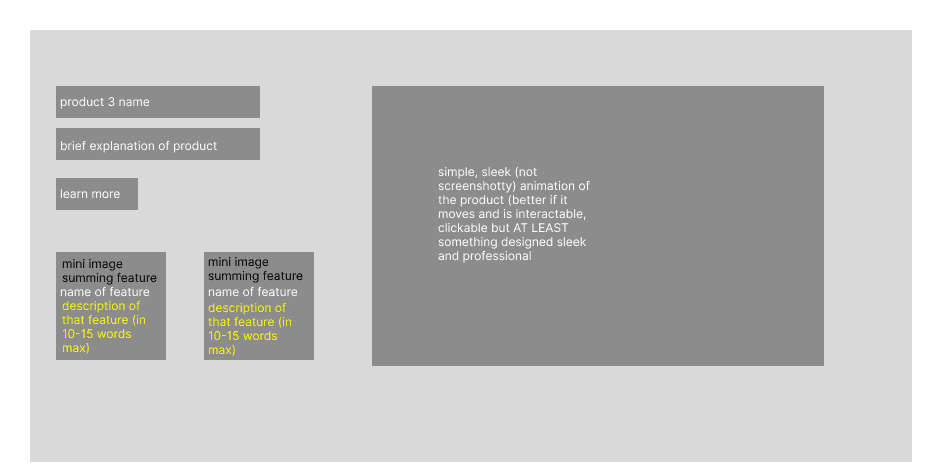
The previous product pages relied on dense text and heavy imagery, making it difficult to understand what the product actually enabled.
I redesigned the pages into structured, allowing potential clients to quickly assess operational fit.
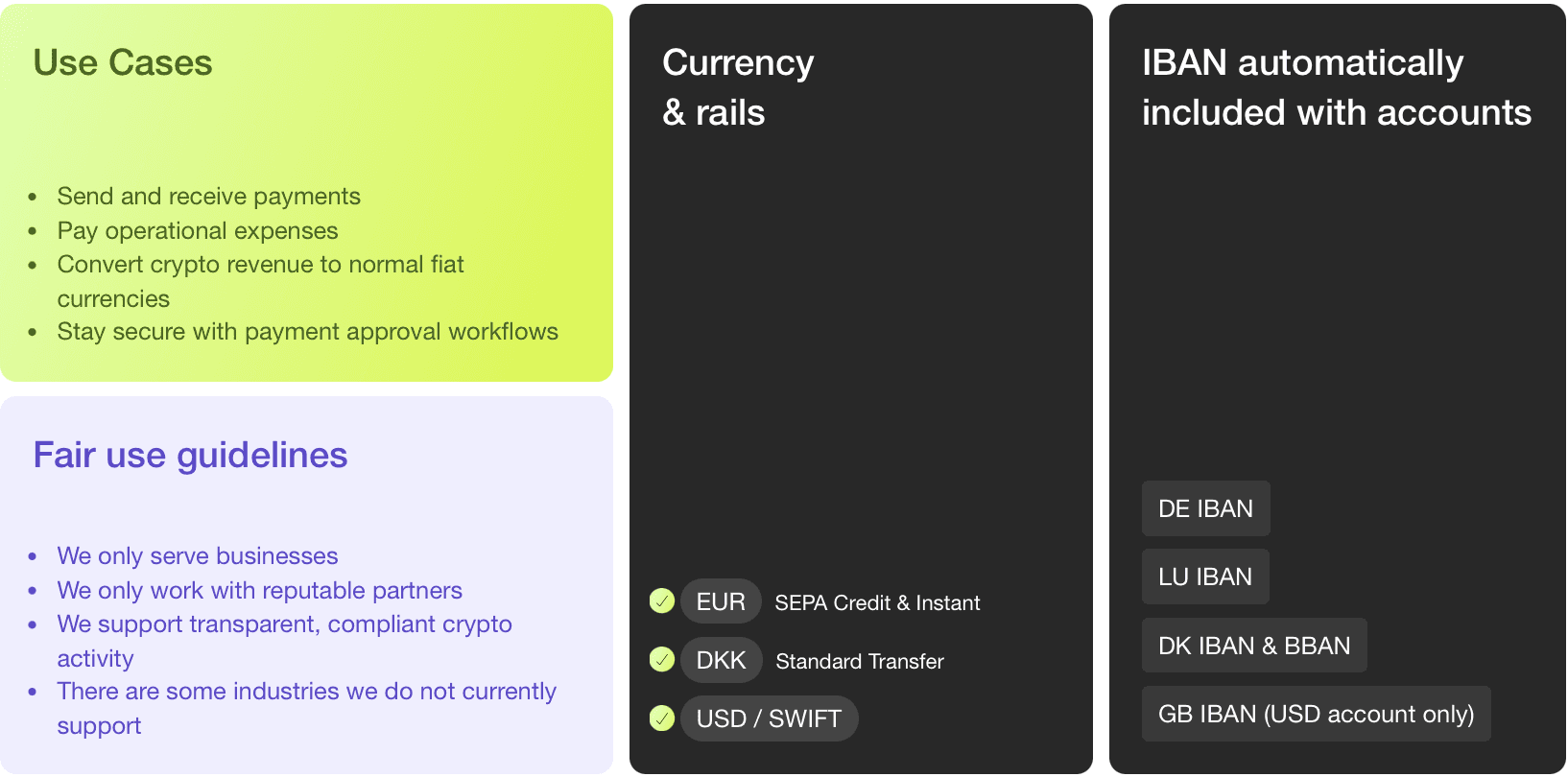
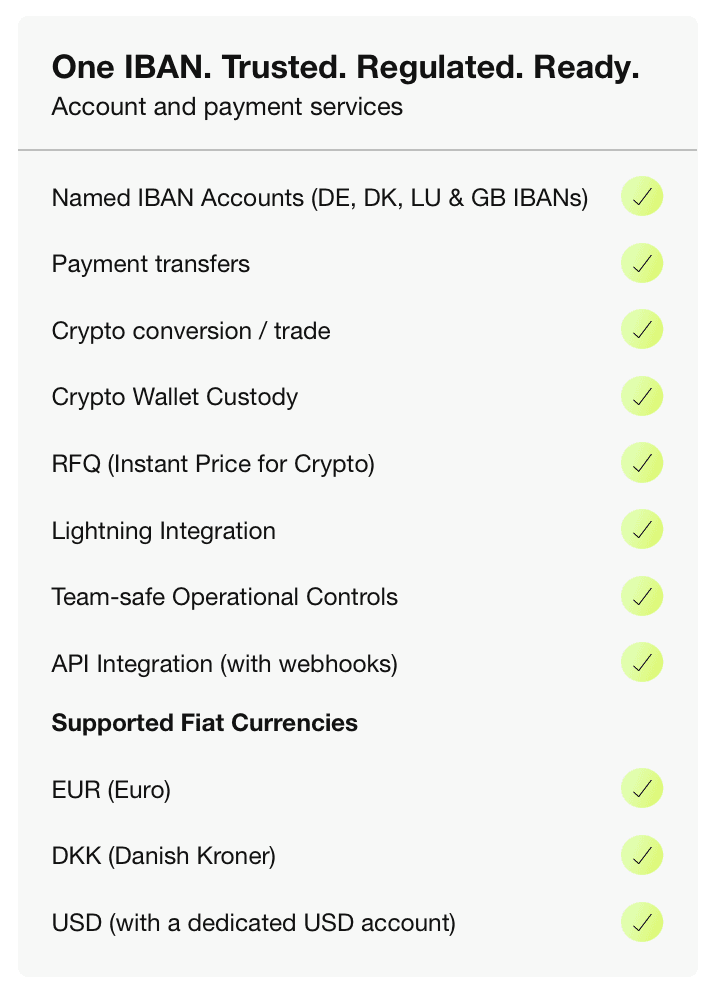
Humanization to increase trust
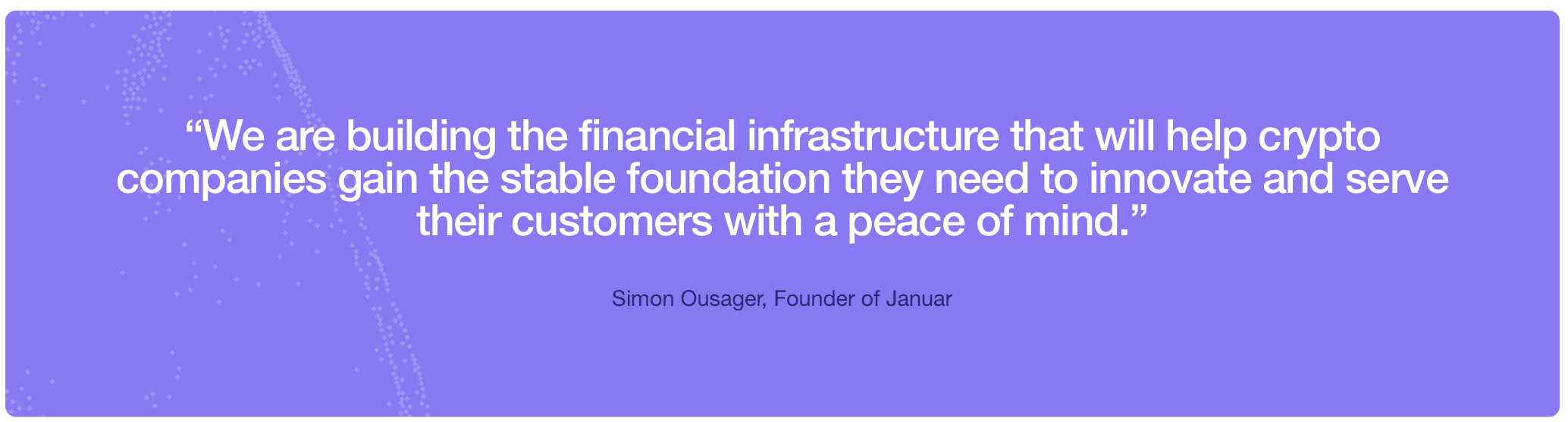
After research, I understood that in the crypto-fintech space trust is very important, which is why I added elements to the site which humanized the brand. This quote from the founder is a snippet of that.
Repositioning trust signals

Copyright
©2026 Judit Farkas
Contact
dzsudicorn@gmail.com
Say hello
